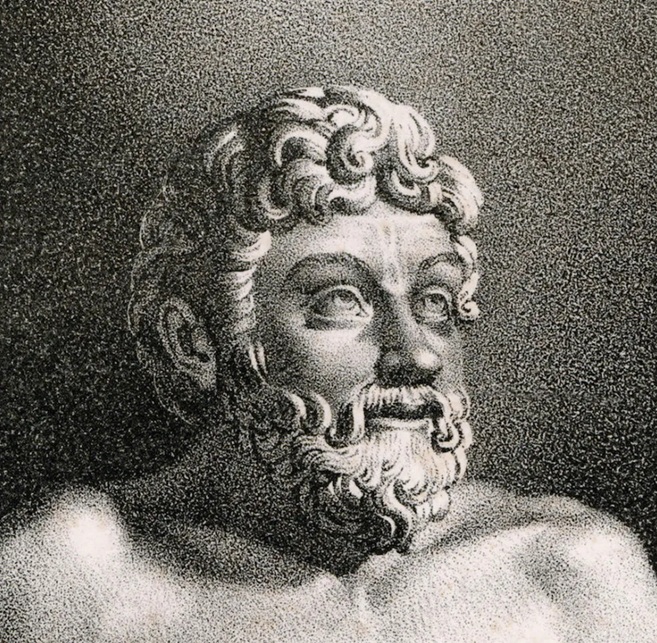
Aesop
Aesop was an ancient Greek storyteller traditionally credited with a collection of short moral tales known as Aesop's Fables. Although little is known with certainty about his life, he is believed to have lived around the 6th century BC and may have been an enslaved person who later gained his freedom. His name became closely associated with simple stories featuring animals, people, and mythical creatures that convey practical lessons about human behavior, wisdom, honesty, greed, pride, and kindness.
Aesop's Fables are among the most enduring works of ancient literature. Famous stories such as The Tortoise and the Hare, The Boy Who Cried Wolf, The Ant and the Grasshopper, The Fox and the Grapes, and The Lion and the Mouse have been retold for centuries in different languages and cultures. Many of these tales end with a clear moral, making them especially popular in children's literature and educational books.
Unlike modern authors, Aesop did not leave behind a known written collection of his own. The fables associated with him were transmitted orally for generations before being collected and written down by later authors. The tradition was subsequently expanded and adapted by writers such as Babrius and Phaedrus, helping Aesop's stories reach a much wider audience.
The lasting appeal of Aesop's stories comes from their concise storytelling, memorable characters, and universal lessons. By using animals with recognizable human characteristics, the fables offer simple yet insightful observations about society and human nature. Today, Aesop's Fables remain an important part of world literature and continue to influence children's books, education, popular culture, and moral storytelling.