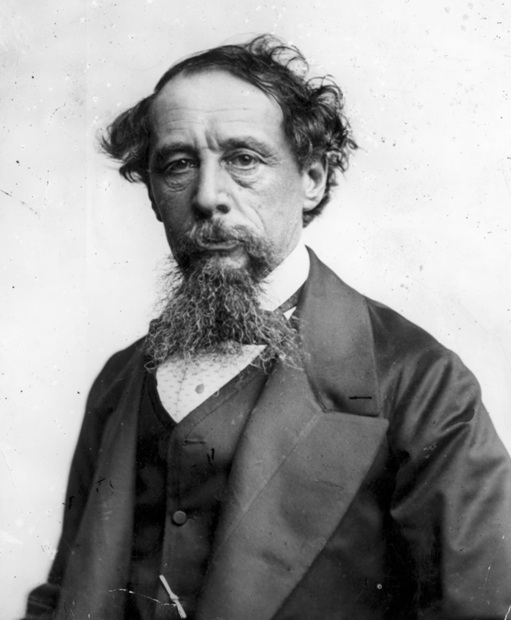
Charles Dickens
Charles Dickens (1812–1870) was one of the greatest English novelists of the Victorian era and one of the most influential writers in the history of literature. Born on February 7, 1812, in Portsmouth, England, Dickens became famous for his memorable characters, vivid storytelling, humor, and powerful criticism of poverty, social inequality, child labor, and the hardships faced by the working class.
Dickens experienced financial hardship during his childhood, particularly after his father was imprisoned for debt. These early experiences strongly influenced his writing and contributed to his lifelong interest in social injustice. He began his literary career as a journalist and gained widespread recognition with The Pickwick Papers, published in serialized form from 1836 onward.
Among Charles Dickens's most famous novels are Oliver Twist, A Christmas Carol, David Copperfield, Bleak House, Hard Times, Great Expectations, and A Tale of Two Cities. His novels often combine dramatic plots and memorable characters with detailed portrayals of Victorian society. Oliver Twist, for example, exposes the harsh conditions experienced by impoverished children, while A Christmas Carol explores generosity, compassion, and social responsibility through the transformation of Ebenezer Scrooge.
Charles Dickens was also a master of serialized fiction, a popular publishing format in the 19th century. His stories appeared in installments, encouraging readers to follow his characters and plots over time. His distinctive style, combining satire, sentiment, comedy, and social criticism, helped make him an international literary celebrity during his lifetime.
Dickens died on June 9, 1870, in Higham, Kent, England, at the age of 58. His books have remained popular for more than a century and have been translated into numerous languages and adapted for film, television, theater, and other media. Today, Charles Dickens is regarded as a defining figure of Victorian literature and a writer whose stories continue to highlight universal themes of poverty, ambition, love, family, justice, and human compassion.