James Joyce
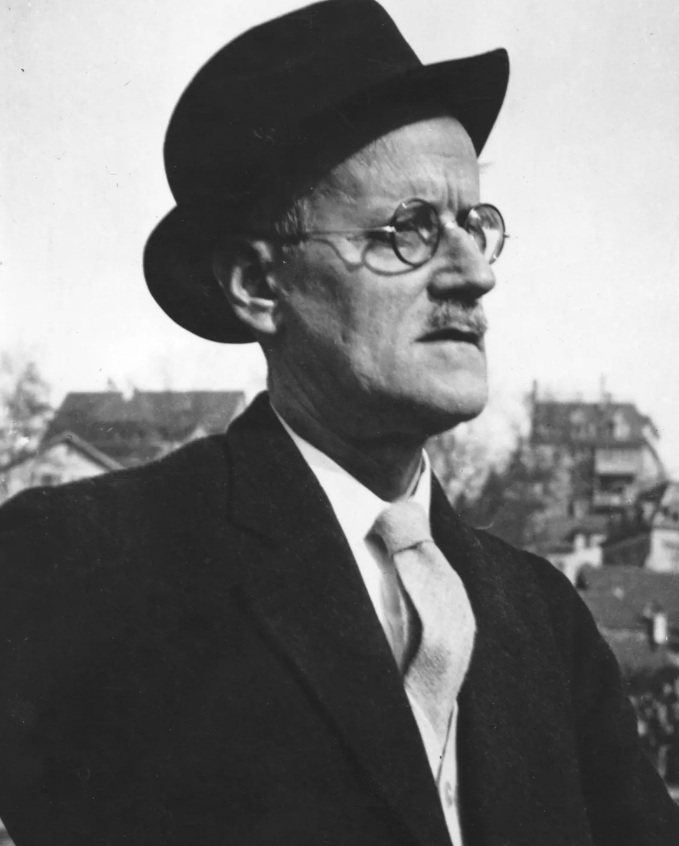
James Joyce (1882–1941) was an influential Irish novelist, short-story writer, poet, and modernist literary pioneer. Born on February 2, 1882, in Dublin, Ireland, Joyce transformed modern literature through his innovative use of language, stream of consciousness, symbolism, and experimental narrative techniques. His works explore identity, memory, religion, exile, family, sexuality, and the complexities of everyday life.
Joyce was educated at University College Dublin, where he developed a strong interest in literature, languages, and philosophy. He later left Ireland and spent much of his adult life living in European cities such as Trieste, Zurich, and Paris. Despite his self-imposed exile, Dublin remained central to his writing, and many of his works portray the city and its inhabitants in remarkable detail.
His first major collection, Dubliners, published in 1914, consists of fifteen short stories depicting different aspects of Dublin life. The collection includes The Dead, one of Joyce's most acclaimed short stories, and explores themes such as paralysis, social expectations, memory, and personal revelation. His autobiographical novel A Portrait of the Artist as a Young Man further established his reputation for innovative storytelling.
James Joyce's most famous novel, Ulysses, was published in 1922. Set in Dublin during a single day, the novel follows Leopold Bloom, Stephen Dedalus, and other characters while drawing parallels with Homer's Odyssey. Joyce experimented extensively with narrative style, language, symbolism, and the representation of human thought, making Ulysses one of the defining works of modernist literature.
Joyce's final major work, Finnegans Wake, published in 1939, pushed literary experimentation even further through its multilingual wordplay, fragmented language, and complex structure. James Joyce died on January 13, 1941, in Zurich, Switzerland, at the age of 58. Today, he is regarded as one of the most important writers of the 20th century, and his innovative approach to language, consciousness, and narrative continues to influence modern literature and literary criticism.