John Milton
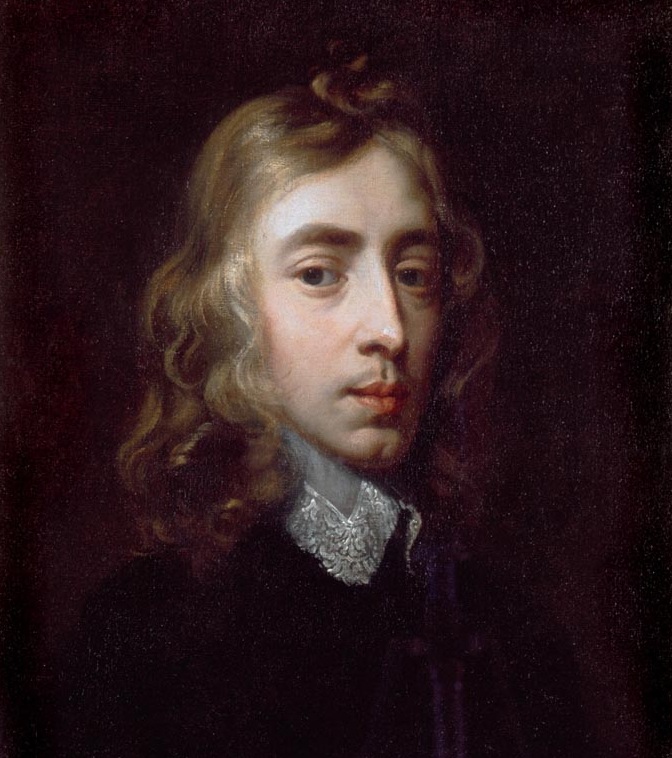
John Milton (1608–1674) was an influential English poet, intellectual, and political writer best known for Paradise Lost, one of the greatest epic poems in English literature. Born on December 9, 1608, in London, England, Milton produced works that explored religion, morality, freedom, politics, knowledge, and the nature of good and evil. His sophisticated use of language and ambitious themes established him as one of the most important poets of the English literary tradition.
Milton received an extensive classical education and studied at Christ's College, Cambridge. From an early age, he demonstrated a remarkable talent for poetry and languages. His early works include L'Allegro, Il Penseroso, Comus, and the pastoral elegy Lycidas. He later became deeply involved in the political and religious debates surrounding the English Civil War and wrote extensively in support of political and religious liberty.
Milton's masterpiece, Paradise Lost, was first published in 1667. The epic poem recounts the biblical story of the Fall of Man, focusing on Adam and Eve, their temptation by Satan, and their expulsion from the Garden of Eden. Written in blank verse, the poem explores profound questions concerning free will, obedience, temptation, justice, redemption, and the relationship between humanity and God. Its complex portrayal of Satan and its extraordinary poetic language have made it a central work of English literature.
Milton also wrote Paradise Regained and Samson Agonistes, as well as numerous prose works addressing politics, religion, education, and freedom of expression. He became completely blind by the middle of his life but continued to write with the assistance of others who recorded his dictated works. His political writings, particularly his defense of freedom of the press, contributed to his lasting intellectual legacy.
John Milton died on November 8, 1674, in London, England, at the age of 65. His influence on English poetry and literature remains profound. Today, Milton is remembered particularly for Paradise Lost, which continues to be studied for its powerful imagery, theological questions, complex characters, and exploration of freedom, ambition, rebellion, temptation, and the human condition.