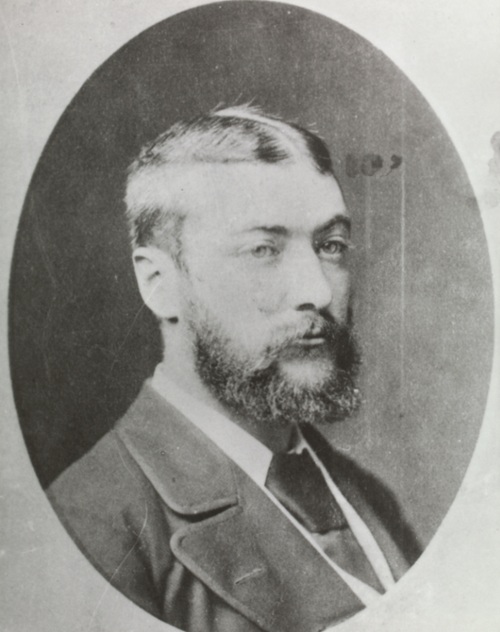
Marcus Clarke
Marcus Clarke (1846–1881), whose full name was Marcus Andrew Hislop Clarke, was an English-born Australian novelist, journalist, and literary figure best known for his influential novel For the Term of His Natural Life. Born on April 24, 1846, in London, England, Clarke moved to Australia as a young man and became an important figure in the development of Australian literature during the 19th century.
Clarke initially worked in Melbourne and became involved in journalism, literature, and the arts. He contributed to newspapers and magazines and developed a reputation for his wit, critical writing, and interest in Australian society. His literary career included novels, short stories, essays, and theatrical works, but his most enduring achievement was his powerful depiction of Australia's colonial penal system.
For the Term of His Natural Life was originally published in serialized form during the 1870s and later appeared as a novel. The story follows Rufus Dawes, a young man transported to Australia as a convict after being wrongly accused of a crime. Through Dawes's experiences, Clarke presents a bleak and dramatic portrayal of convict life, forced labor, punishment, violence, and the harsh conditions of the Australian penal colonies.
The novel is notable for its vivid descriptions, dramatic storytelling, and examination of injustice and human suffering. Clarke combined historical research with fictional characters to create a powerful account of the convict experience. Although the novel presents a dark vision of colonial Australia, it also reflects broader themes of identity, morality, survival, social power, and the struggle for dignity under oppressive conditions.
Marcus Clarke died on August 2, 1881, in Melbourne, Victoria, at the age of 35. Despite his short life, he made a lasting contribution to Australian literature. For the Term of His Natural Life remains his best-known work and an important novel about Australia's colonial history. Today, Marcus Clarke is remembered as a pioneering Australian writer whose fiction helped establish a distinctive literary tradition shaped by the country's history, landscape, and social realities.