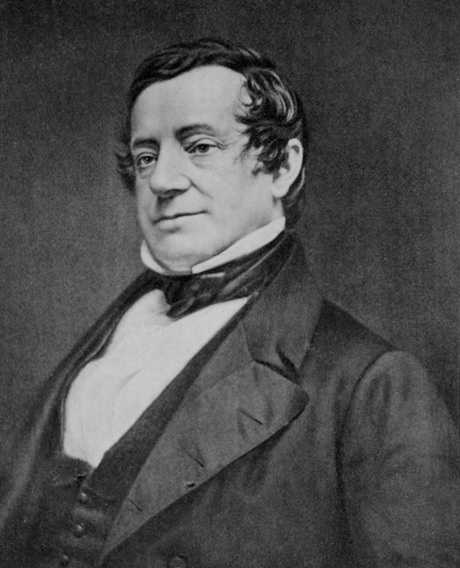
Washington Irving
Washington Irving (1783–1859) was an influential American writer, essayist, biographer, and diplomat best known for his classic short stories Rip Van Winkle and The Legend of Sleepy Hollow. Born on April 3, 1783, in New York City, Irving became one of the first American authors to achieve international literary recognition. His writing combines humor, folklore, fantasy, satire, and vivid descriptions of American life and landscapes.
Irving began his literary career as a young writer and gained early recognition through humorous and satirical works. His breakthrough came with The Sketch Book of Geoffrey Crayon, Gent., published between 1819 and 1820. The collection included some of his most famous stories and helped introduce American settings and characters to readers in both the United States and Europe.
Rip Van Winkle tells the story of a man who falls asleep in the Catskill Mountains and awakens many years later to discover that his world has dramatically changed. The Legend of Sleepy Hollow follows the nervous schoolteacher Ichabod Crane and his mysterious encounter with the legendary Headless Horseman. Both stories draw on folklore while combining elements of humor, mystery, superstition, and the supernatural.
Washington Irving also wrote biographies and historical works, including A History of New York, The Life of George Washington, and biographies of Christopher Columbus and other historical figures. He spent several years in Europe and served as a United States diplomat in Spain, where he developed a deep interest in Spanish history, literature, and culture. His travels greatly influenced his later writing.
Washington Irving died on November 28, 1859, in Tarrytown, New York, at the age of 76. His literary influence remains significant, particularly in the development of the American short story. Today, Irving is remembered as a pioneering figure in American literature, whose imaginative use of folklore, humor, and supernatural elements helped establish a distinctive American literary tradition.